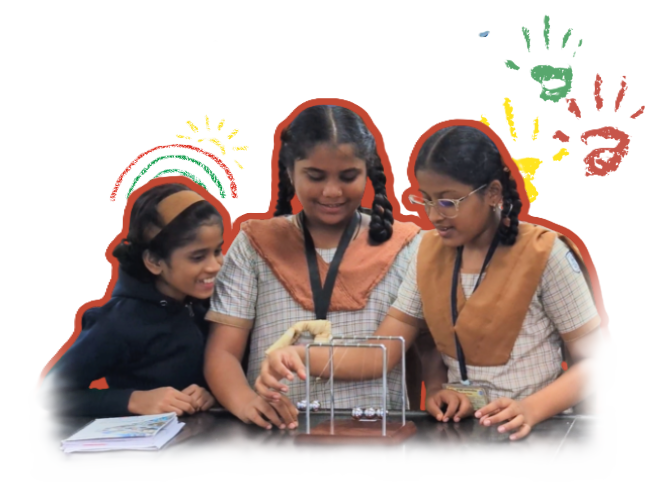

With school enrolment at an all-time high, India is close to achieving its goal of universal education. However, despite there being a significant improvement in access, even to the remotest parts of the country, there are many issues prevalent in the mainstream. These include high student to teacher ratios, prescriptive curriculums that are not supportive of individual student learning needs and a disconnect between theory and practice in formal teacher education. The result is disengagement in the classroom and ultimately poor student learning outcomes. This is especially detrimental in the case of under-served communities, who largely rely on mainstream schooling.


“For the Community, By the Community”
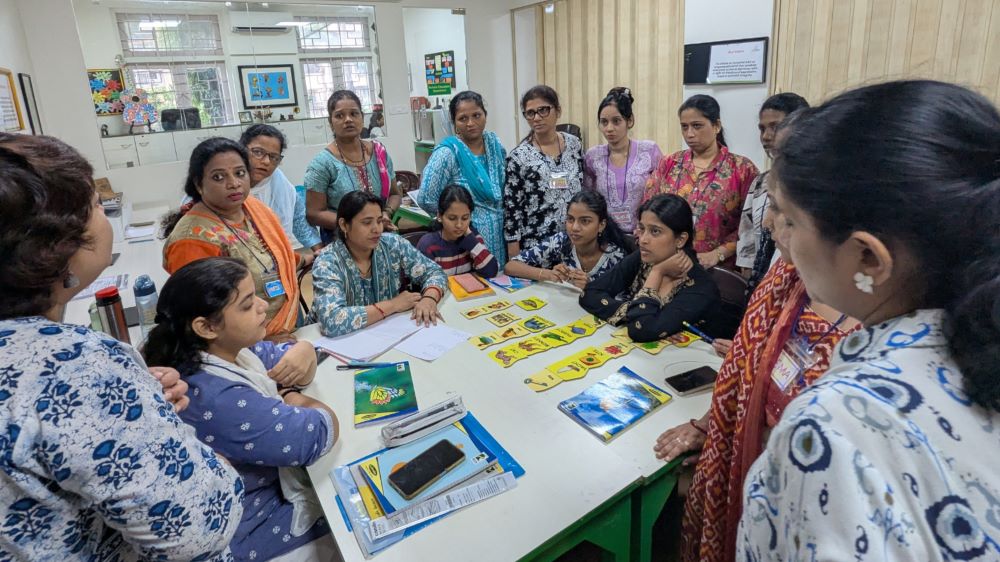
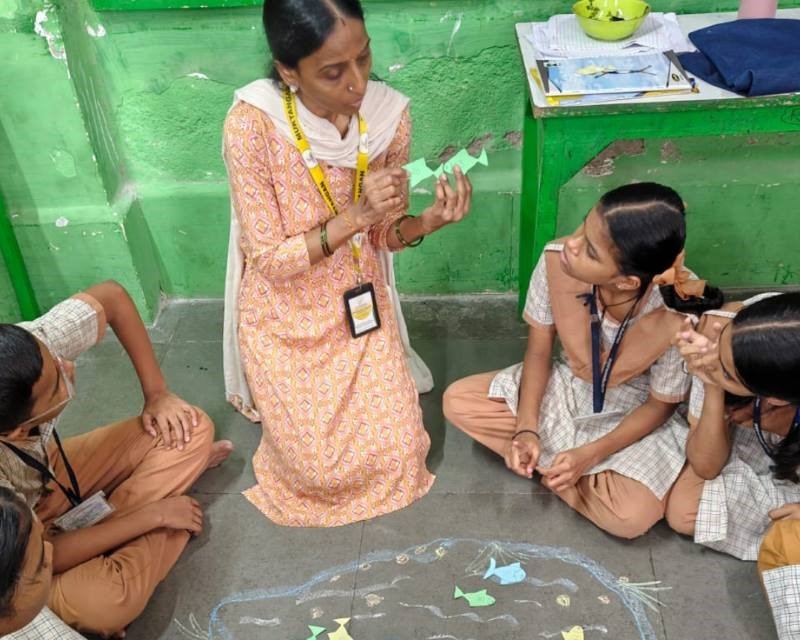
Muktangan was envisioned as an alternative model that aimed to bridge these prevalent gaps and disconnects in schooling by providing an inclusive, student-friendly, community-based model of education within the mainstream system. Supported through the Muktangan Education Trust (formerly the Paragon Charitable Trust), in partnership with the Municipal Corporation of Greater Mumbai (MCGM), the first Muktangan preschool was started in 2003 on the premises of a Municipal School in Worli, Mumbai. The original school began with 7 teachers sourced from local, under-served communities who transacted a developmentally appropriate preschool curriculum to 90 students from their own localities. The recognition of the success of the model by members of these same communities and the MCGM led to the Muktangan initiative being set up and run in six additional municipal schools in 2007.
Muktangan Schools’ Impact
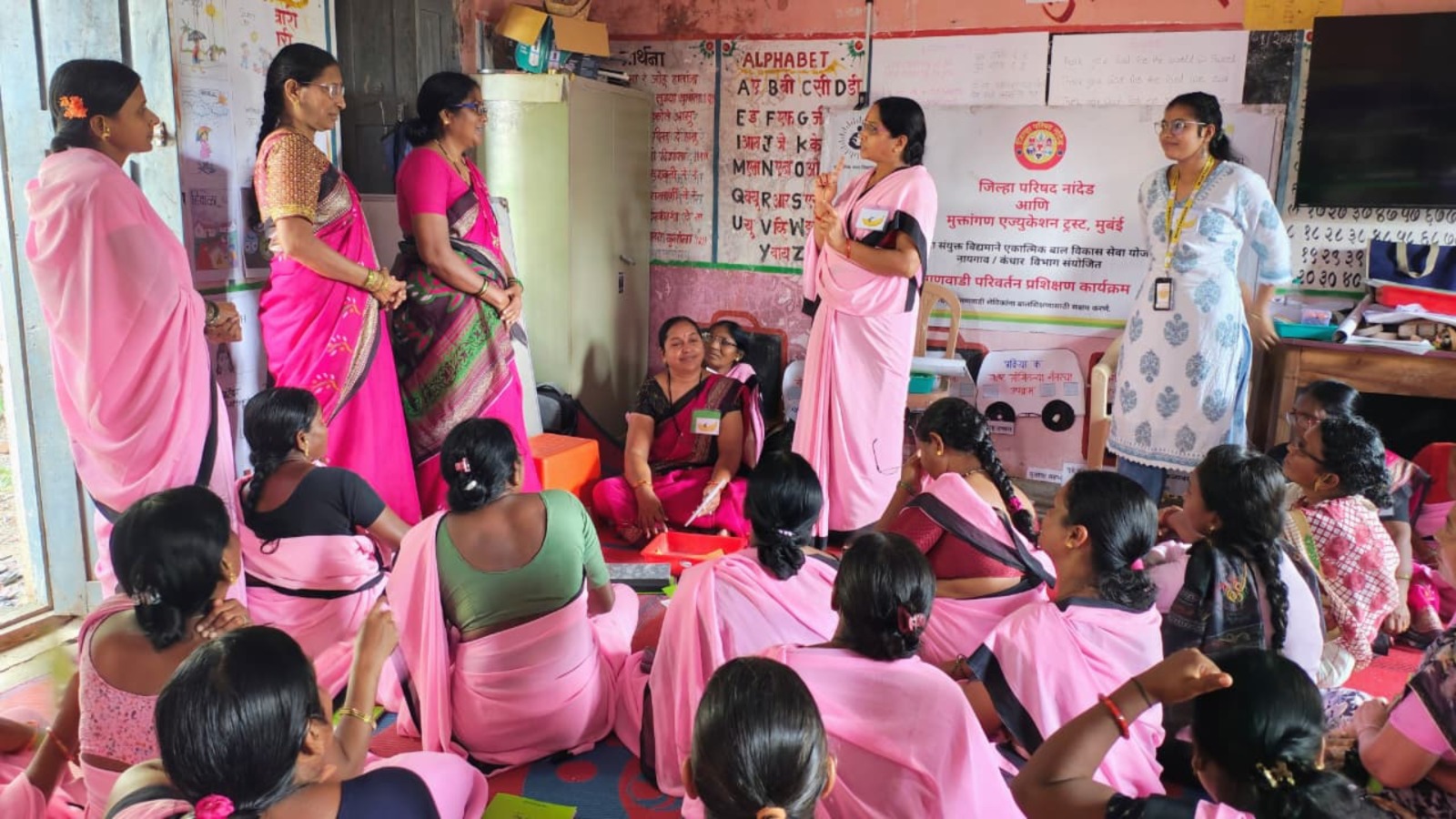
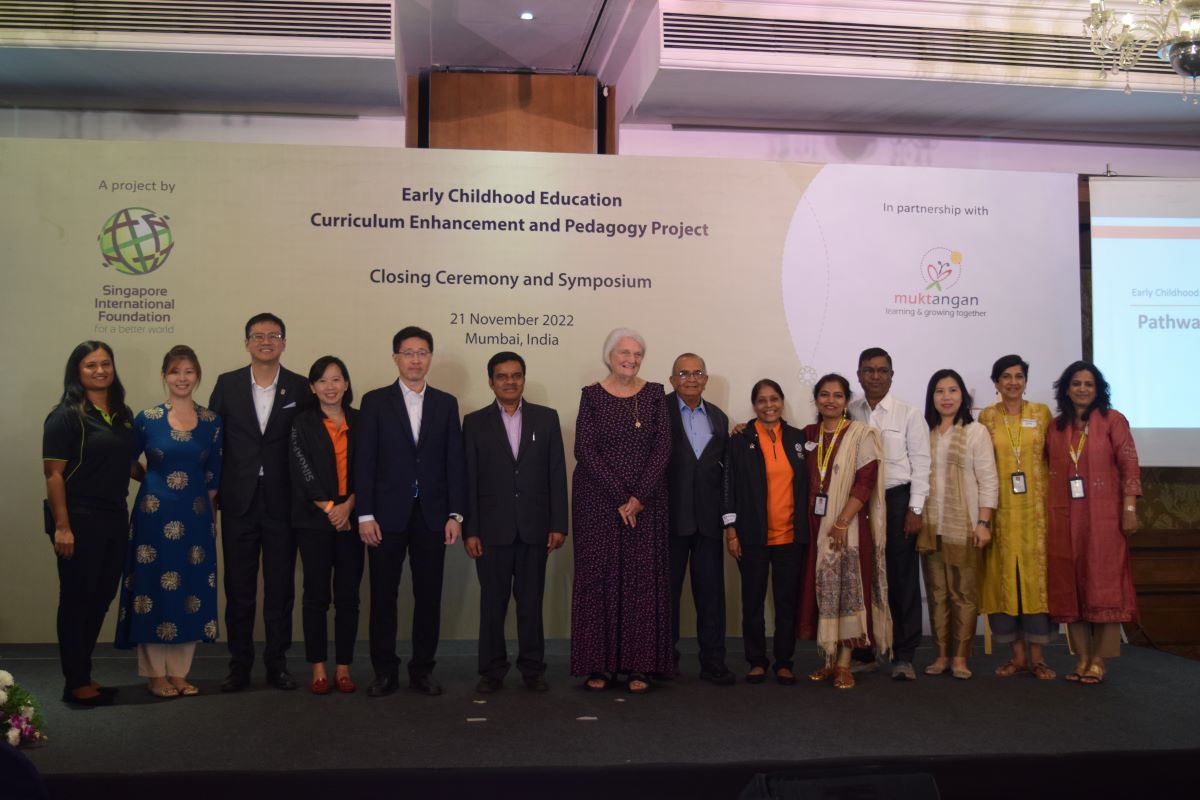
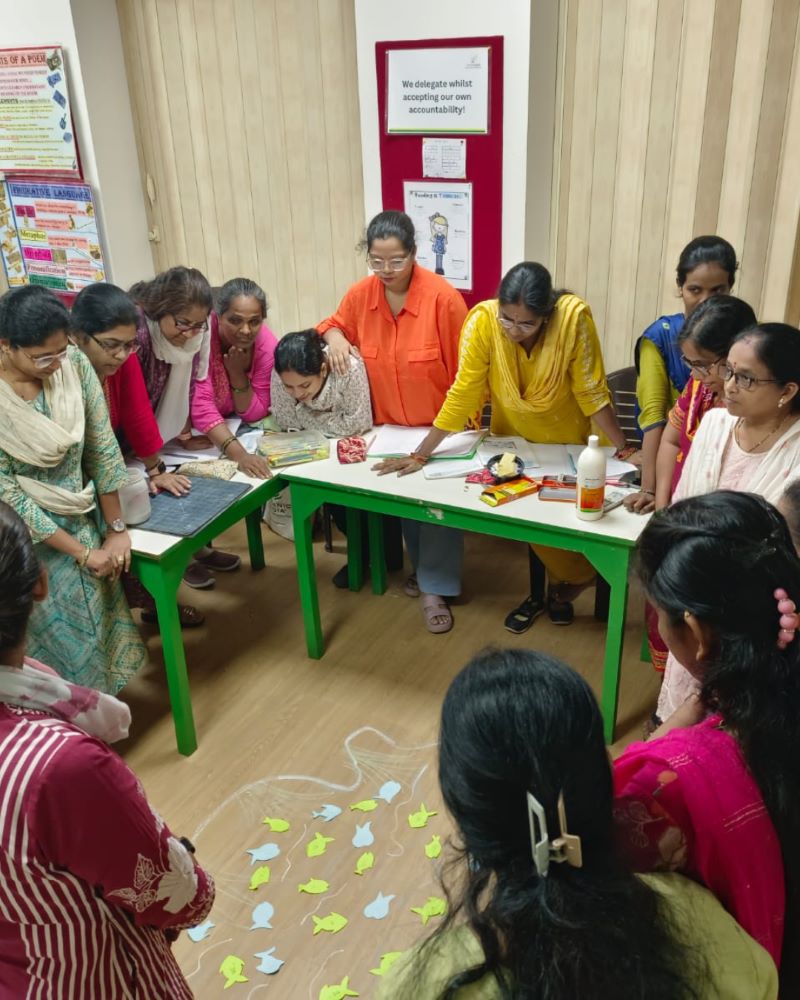
Today, Muktangan has developed into a holistic model of Teacher and School Education; MERC, which is working with various state departments and NGO partners to provide integrated solutions to educational disconnects benefiting 1000s of educators and children in both urban and rural settings. Simultaneously Muktangan runs a strong advocacy programme aimed at government policymakers to enable its learnings to be incorporated into more mainstream schools.